Off-page SEO refers to all the actions taken outside of your website to improve search rankings, build authority, and strengthen online reputation.
In 2026, it’s more important than ever as search engines and AI-driven results like Google’s Search Generative Experience (SGE) prioritize trustworthy, authoritative sources.
Key elements of off-page SEO include backlinks, brand mentions, social signals, local citations, and reputation management. These signals show search engines that your site demonstrates E-E-A-T: Experience, Expertise, Authoritativeness, and Trustworthiness.
This guide covers 17 proven off-page SEO strategies from backlink audits and guest blogging to AI citation readiness that will help you improve visibility, credibility, and long-term rankings.
What Is Off-Page SEO?
Off-page SEO encompasses all the activities performed outside of your website that impact your search engine rankings. Unlike on-page SEO, which focuses on optimizing elements within your control (like content quality and site structure), off-page SEO revolves around building external signals that convince search engines your site deserves to rank highly.
At its core, off-page SEO is about signaling E-E-A-T (Experience, Expertise, Authoritativeness, and Trustworthiness). These qualities now matter more than ever, as search engines and AI systems rely on them to decide which sources to highlight and cite.
- Experience: Demonstrating real-world expertise and insights that prove credibility.
- Expertise: Showing in-depth knowledge within your industry.
- Authoritativeness: Being recognized by other authoritative voices through backlinks, mentions, and citations.
- Trustworthiness: Building a strong online reputation through consistent, verifiable, and transparent content.
How Search Engines Evaluate External Signals
Search engines have sophisticated algorithms that analyze numerous external signals to determine your website’s ranking potential:
- Backlink quality and quantity: Not all links are created equal. A few high-quality backlinks from authoritative sites can outweigh dozens of low-quality links.
- Brand mentions: Even unlinked mentions of your brand can signal relevance and authority to search engines.
- Social signals: While not direct ranking factors, social media engagement can increase your content’s visibility and indirectly boost your SEO performance.
- User behavior: How users interact with your site after finding it through search results (like bounce rates and time on page) influences how search engines perceive your content’s quality.
Realistic Goals And Expectations For Your Off-Page Strategy
Off-page SEO is a marathon, not a sprint. Here’s what to realistically expect:
- Timeline: Significant results typically take 3-6 months to materialize, depending on your niche and competition.
- Consistency: Consistency trumps intensity—regular, sustained efforts yield better results than sporadic campaigns.
- Quality over quantity: Focus on acquiring fewer high-quality signals rather than numerous low-quality ones.
- Competitive analysis: Your results will vary based on your competitors’ off-page efforts—monitor what they’re doing and adapt accordingly.
- AI-readiness: Success now also depends on creating content structured, factual, and quotable enough to be used by AI models as a source.
With these fundamentals in mind, let’s dive into the 15 essential strategies that make up our comprehensive off-page SEO checklist.
17 Essential Off-Page SEO Checklists For 2026
The off-page SEO landscape continues to evolve, but these 17 proven strategies remain crucial for improving your website’s visibility and authority.
What’s different in 2026 is that these strategies now also influence how often AI and generative search experiences recognize and cite your site as a trusted source.
1. Audit Your Backlink Profile
Before you can improve your backlink profile, you need to understand its current state. A thorough backlink audit helps you assess the quality and relevance of existing links and identify opportunities for improvement.
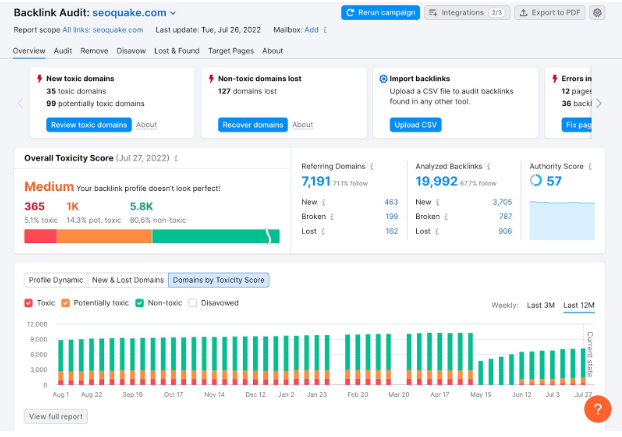
Start by using tools like Semrush’s Backlink Analytics to examine your backlink profile. Look for:
- Authority Score: This measures your domain’s overall reputation and quality.
- Referring Domains: The number of unique websites linking to yours.
- Total Backlinks: The overall number of links pointing to your site.
- Toxicity Score: An indication of potentially harmful links that could hurt your rankings.
- Anchor Text Distribution: A natural variety of anchor texts indicates a healthy profile.
Pay special attention to the quality of linking domains—are they from reputable sites with strong Authority Scores themselves? A few high-quality links from authoritative domains can significantly outweigh numerous links from low-quality sources.
Regular backlink audits (at least quarterly) help you maintain a healthy profile by identifying and addressing potential issues before they impact your rankings.
2. Build A Strategic Link Acquisition Plan
With the insights from your backlink audit, develop a targeted approach to acquiring new, high-quality backlinks. A strategic plan ensures you’re not just accumulating links but building a natural, diverse profile that search engines value.
Your plan should include:
- Target websites: Identify high-authority sites in your niche that would make valuable linking partners.
- Content mapping: Match your existing content with potential linking opportunities, and plan new content that will naturally attract backlinks.
- Outreach templates: Develop personalized outreach messages that highlight the value you’re offering to potential linking partners.
- Follow-up schedule: Persistence is key—create a follow-up timeline that respects others’ time while maximizing your chances of success.
Tools like Semrush’s Link Building Tool can streamline this process by helping you identify prospects, track outreach, and monitor results. Prioritize sites with high Authority Scores and keep detailed records of your communications and results.
3. Master The Art Of Guest Blogging
Guest blogging remains one of the most effective ways to earn high-quality backlinks while establishing yourself as an authority in your field. However, successful guest blogging requires strategy and finesse.
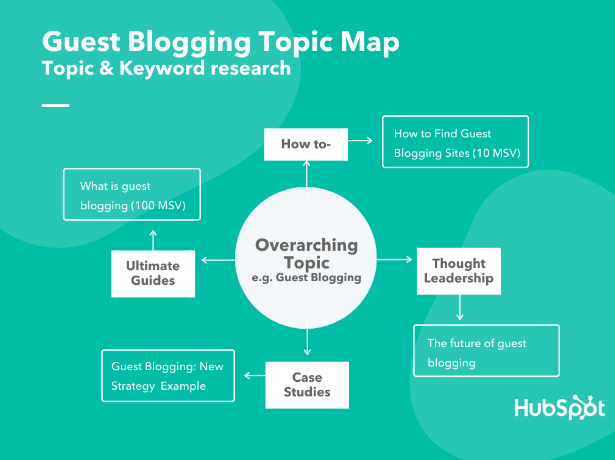
To maximize your guest blogging efforts:
- Target reputable sites: Focus on websites with strong domain authority that are relevant to your niche.
- Provide unique value: Pitch content ideas that offer genuine value to the host site’s audience—not just recycled content from your own blog.
- Craft compelling pitches: Personalize your outreach and clearly articulate why your proposed content would benefit their readers.
- Create exceptional content: Your guest posts should showcase your expertise and be of even higher quality than what you publish on your own site.
- Optimize author bios: Include a concise bio with a relevant link back to your website, preferably using natural anchor text.
Avoid guest blogging networks that exist solely for link building, as these can trigger Google penalties. Instead, focus on building genuine relationships with reputable publishers in your industry.
4. Perfect Your Local Citations
For businesses with physical locations, local citations are crucial for off-page SEO success. These mentions of your business name, address, and phone number (NAP) across the web help search engines verify your business information and improve local search visibility.
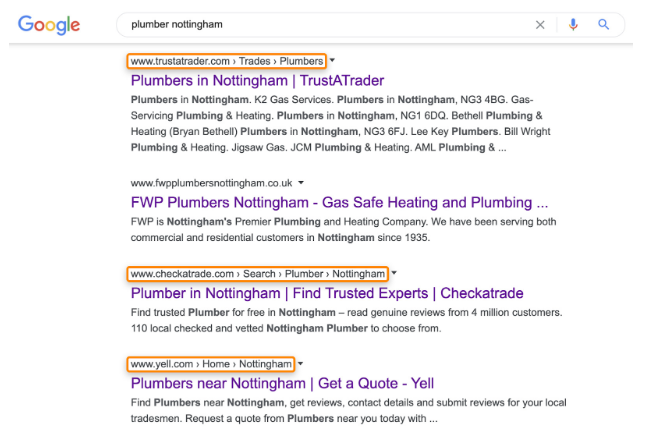
To optimize your local citations:
- Create and optimize your Google Business Profile: Ensure all information is accurate, comprehensive, and includes high-quality images.
- Maintain consistency: Your NAP information should be identical across all platforms to avoid confusing search engines.
- Target industry-specific directories: Beyond general directories like Yelp, seek out industry-specific platforms where your audience might look for services.
- Monitor and respond to reviews: Actively manage your reputation by responding to both positive and negative reviews professionally.
Tools like Semrush’s Review Management can help you monitor reviews across platforms and respond promptly, enhancing your local SEO efforts while building customer trust.
5. Amplify Your Social Media Impact
While social media signals don’t directly influence search rankings, a strong social presence can significantly boost your off-page SEO by increasing brand visibility, driving traffic, and creating opportunities for natural link-building.
To maximize your social media impact:
- Choose the right platforms: Focus on networks where your target audience is most active rather than trying to maintain a presence everywhere.
- Create platform-specific content: Tailor your content to each platform’s unique format and audience expectations.
- Encourage engagement: Ask questions, run polls, and create interactive content that invites your audience to participate.
- Share your website content: Promote your blog posts, case studies, and other valuable content across your social channels.
Use scheduling tools like Semrush’s Social Poster to maintain a consistent posting schedule across platforms without overwhelming your team.
6. Create Link-Worthy Content Assets
Some content naturally attracts backlinks because it provides exceptional value that others want to reference. These “linkable assets” are powerful tools in your off-page SEO arsenal.
Effective linkable assets include:
- Original research and data: Industry studies, surveys, and original statistics that others can cite.
- Comprehensive guides: Ultimate guides that become go-to resources for specific topics.
- Interactive tools: Calculators, quizzes, or other free tools that solve problems for your audience.
- Infographics: Visual representations of complex data or concepts that others want to share.
- Video tutorials: High-quality instructional content that demonstrates expertise.
When creating these assets, focus on addressing gaps in existing content and providing unique insights that aren’t available elsewhere. Promote these assets through your outreach and social channels to maximize their link-building potential.
7. Reclaim Your Lost Link Value
Link reclamation is one of the most efficient off-page SEO tactics because it focuses on recovering link equity you’ve already earned but lost due to various reasons.
Common link reclamation opportunities include:
- Broken links: Find instances where links to your site have broken due to URL changes or page deletions.
- Unlinked brand mentions: Identify where your brand is mentioned without a corresponding link to your website.
- Outdated content links: Locate links pointing to outdated content that you’ve since improved or updated.
Use tools like Semrush to identify broken backlinks, then reach out to webmasters with the correct URL and a friendly request to update the link. For unlinked mentions, monitoring tools can alert you to new brand mentions, allowing you to request link inclusion while the content is still fresh.
8. Participate In Relevant Online Communities
Engaging in industry forums, social groups, and Q&A platforms positions you as an authority in your field while creating opportunities for organic link-building and brand visibility.
Effective community participation includes:
- Providing genuine value: Answer questions thoroughly and helpfully without immediately pushing your products or services.
- Establishing expertise: Share unique insights that demonstrate your knowledge and experience.
- Building relationships: Connect with other community members authentically, focusing on relationship-building over link acquisition.
- Selective linking: Only include links to your content when they directly answer questions or provide additional value.
Platforms like Reddit, Quora, and industry-specific forums can be goldmines for off-page SEO—but only if you prioritize being helpful over being promotional. Many forums allow you to include a signature with a link to your website, providing passive link opportunities as you contribute to discussions.
9. Track And Leverage Brand Mentions
Even when they don’t include links, brand mentions can indirectly boost your SEO by increasing your brand’s visibility and authority in your niche. Monitoring and leveraging these mentions is a crucial part of comprehensive off-page SEO.
To effectively manage brand mentions:
- Set up monitoring tools: Use tools like Semrush’s Brand Monitoring to track when and where your brand is mentioned online.
- Convert unlinked mentions to links: When appropriate, reach out to publishers who’ve mentioned your brand and request link inclusion.
- Amplify positive mentions: Share and promote positive mentions across your own channels to extend their reach.
- Address negative mentions: Respond professionally to criticism and work to resolve issues that generate negative mentions.
Regular monitoring also helps you stay ahead of potential reputation issues and identify new partnership or guest posting opportunities with sites that already know your brand.
10. Optimize Content For Maximum Shareability
Content that gets shared widely creates more opportunities for backlinks and brand exposure. Optimizing your content for shareability should be a core part of your off-page SEO strategy.
To create more shareable content:
- Craft compelling headlines: Your title should create emotional appeal while clearly communicating value.
- Include share-worthy visuals: High-quality images, infographics, and videos increase share rates dramatically.
- Format for readability: Use short paragraphs, bullet points, and subheadings to make content easily scannable.
- Add social sharing buttons: Make it effortless for readers to share your content with their networks.
- Time your content right: Publish and promote content when your audience is most active online.
Analyze your most shared content to identify what resonates with your audience, then incorporate those elements into future content creation.
11. Establish Your Brand on Wikipedia
If eligible, having a presence on Wikipedia can enhance your brand’s authority and visibility in search results. However, creating your own page carries risks, as self-promotion goes against Wikipedia’s neutrality guidelines.
Creating a Wikipedia page requires:
- Notability: Your brand must meet Wikipedia’s notability guidelines, typically demonstrated through independent, reliable sources that have covered your company.
- Neutral tone: All content must be written from a neutral point of view and be verifiable through external sources.
- Proper citations: Every claim needs to be backed by reliable, independent sources.
- Community adherence: Understanding and following Wikipedia’s editing guidelines is crucial for success.
While you shouldn’t create your own Wikipedia page (due to conflict of interest concerns), you can gather the necessary sources and information, then work with experienced Wikipedia editors to develop an appropriate page.
12. Tap Into Podcast and Webinar Networks
Appearing as a guest on podcasts and webinars exposes your brand to new audiences while creating opportunities for backlinks and brand mentions.
To leverage these platforms effectively:
- Identify relevant shows: Research podcasts and webinar series that reach your target audience.
- Develop unique talking points: Create a compelling pitch highlighting the unique insights you can share.
- Prepare engaging content: Plan stories, examples, and actionable advice that will provide genuine value to listeners.
- Promote your appearances: Share episodes across your own channels to maximize their reach and impact.
When appearing as a guest, focus on providing exceptional value rather than promoting your business. This approach builds credibility and makes hosts more likely to include links to your site in their show notes.
13. Harness The Power Of Influencer Marketing
Collaborating with influencers in your industry can amplify your content reach and create valuable backlink opportunities from both the influencers themselves and their engaged followers.
Effective influencer marketing for off-page SEO includes:
- Identifying relevant influencers: Use tools like Influencer Analytics to find creators whose audience aligns with your target market.
- Building authentic relationships: Engage with influencers’ content before reaching out with collaboration proposals.
- Creating mutually beneficial partnerships: Develop campaigns that provide value to both parties and their audiences.
- Focusing on quality over quantity: A few partnerships with highly relevant influencers outperform many collaborations with marginally relevant ones.
When working with influencers, provide them with link-worthy content assets they can naturally incorporate into their content, rather than directly requesting links that might seem forced or promotional.
14. Craft Newsworthy Press Releases
Strategic press releases can generate quality backlinks, increase brand visibility, and establish your company as an industry leader worth covering.
To maximize the SEO impact of press releases:
- Focus on truly newsworthy content: Reserve press releases for significant announcements like product launches, major partnerships, or industry innovations.
- Target relevant media outlets: Identify journalists and publications that cover topics related to your announcement.
- Include multimedia elements: Add images, videos, or infographics to make your release more engaging and shareable.
- Optimize for search: Include relevant keywords naturally while maintaining journalistic quality.
Distribute your press releases through reputable channels and follow up with personalized pitches to key journalists to increase coverage opportunities.
15. Learn From Your Competitors’ Backlink Success
Analyzing what’s working for your competitors can reveal valuable opportunities for your own off-page SEO strategy.
To effectively learn from competitors:
- Identify your top competitors: Focus on businesses that rank well for your target keywords.
- Analyze their backlink profiles: Use tools like Semrush’s Backlink Gap to find sites linking to competitors but not to you.
- Study their most-linked content: Determine what types of content attract the most backlinks in your niche.
- Identify link patterns: Look for recurring themes or approaches in their successful link-building efforts.
Use these insights to inform your content creation and link-building strategies, focusing on creating superior resources that can earn links from the same or similar sources.
16. Become a Citable Source for AI
Traditional backlinks still matter, but being cited by AI-driven systems is becoming just as important.
To position your brand as a go-to source:
- Publish original studies, surveys, or data-backed insights.
- Use schema markup to help AI understand and classify your content.
- Build definitive resources like glossaries, benchmarks, and industry reports.
- Write with quotability in mind—clear, concise statements that AI can easily reference.
This is a forward-looking strategy that will separate brands that thrive in AI-driven search from those that get overlooked.
17. Strategic Entity Association & Semantic Co-occurrence
In 2026, search engines prioritize “Entities” over “Keywords.” This strategy focuses on getting your brand mentioned in the same breath (or paragraph) as the industry leaders and topics you want to be associated with. This is known as co-occurrence. Even without a hyperlink, search engines use these associations to map your brand’s place in the “Knowledge Graph.”
How to build Entity Association:
- Target “Best of” and Comparison Lists: Work tirelessly to get mentioned in listicles that feature your top-tier competitors. When your brand name consistently appears alongside established giants, AI models begin to categorize you as a peer-level authority.
- Niche Knowledge Base Inclusion: Beyond Wikipedia, ensure your brand and key executives are present in structured databases like Wikidata, Crunchbase, or industry-specific registries (e.g., Golden, AngelList, or professional medical/legal registries).
- Contextual Press Mentions: Focus on PR that places your brand name within a sentence containing your core “seed keywords.” For example, if you want to be an authority on “Sustainable Logistics,” your goal is to have reputable news sites use those exact terms in the same sentence as your brand name.
- Co-Marketing with Authorities: Partner with established entities for whitepapers or webinars. The digital “footprint” of two brands appearing together on multiple third-party platforms signals a high-level semantic connection to search engines.
Pro Tip: In 2026, the “neighborhood” your brand hangs out in online is just as important as the links pointing to it. If you are frequently mentioned alongside the “Top 5” players in your industry, search engines will eventually treat you as the “6th.”
Common Off-Page SEO Pitfalls To Avoid
While implementing your off-page SEO strategy, be careful to avoid these common mistakes:
- Pursuing quantity over quality: A few high-quality backlinks from authoritative sites are far more valuable than dozens of links from low-quality sources.
- Neglecting relevance: Links from topically relevant sites carry more weight than those from unrelated industries.
- Using manipulative tactics: Techniques like buying links, participating in link schemes, or using private blog networks can result in penalties.
- Ignoring anchor text diversity: An overly optimized anchor text profile can trigger spam filters.
- Overlooking mobile users: Ensure your content is fully accessible and engaging across all devices.
- Focusing solely on backlinks: A comprehensive off-page strategy includes brand mentions, social signals, and other external factors.
- Emerging Pitfall: Ignoring how your content and brand appear in AI-generated responses or Google’s Search Generative Experience (SGE). Being cited in these experiences is becoming critical.
More Related Reads:
Conclusion: 17 Off-page SEO Checklist For Websites
Off-page SEO is a multifaceted discipline that requires patience, persistence, and strategic thinking. By implementing the 17 strategies outlined in this checklist, you’ll build a robust off-page SEO foundation that enhances your website’s authority, visibility, and credibility in the eyes of both search engines and users.
Remember that in 2026, off-page SEO is no longer about quick link wins. It’s about building lasting authority and becoming a source that humans and AI alike trust and cite.
Start by auditing your current off-page situation, then implement these strategies systematically, tracking your progress and adjusting your approach based on results. With consistent effort and strategic execution, you’ll see improved rankings, increased traffic, and greater visibility across both traditional and AI-powered search.